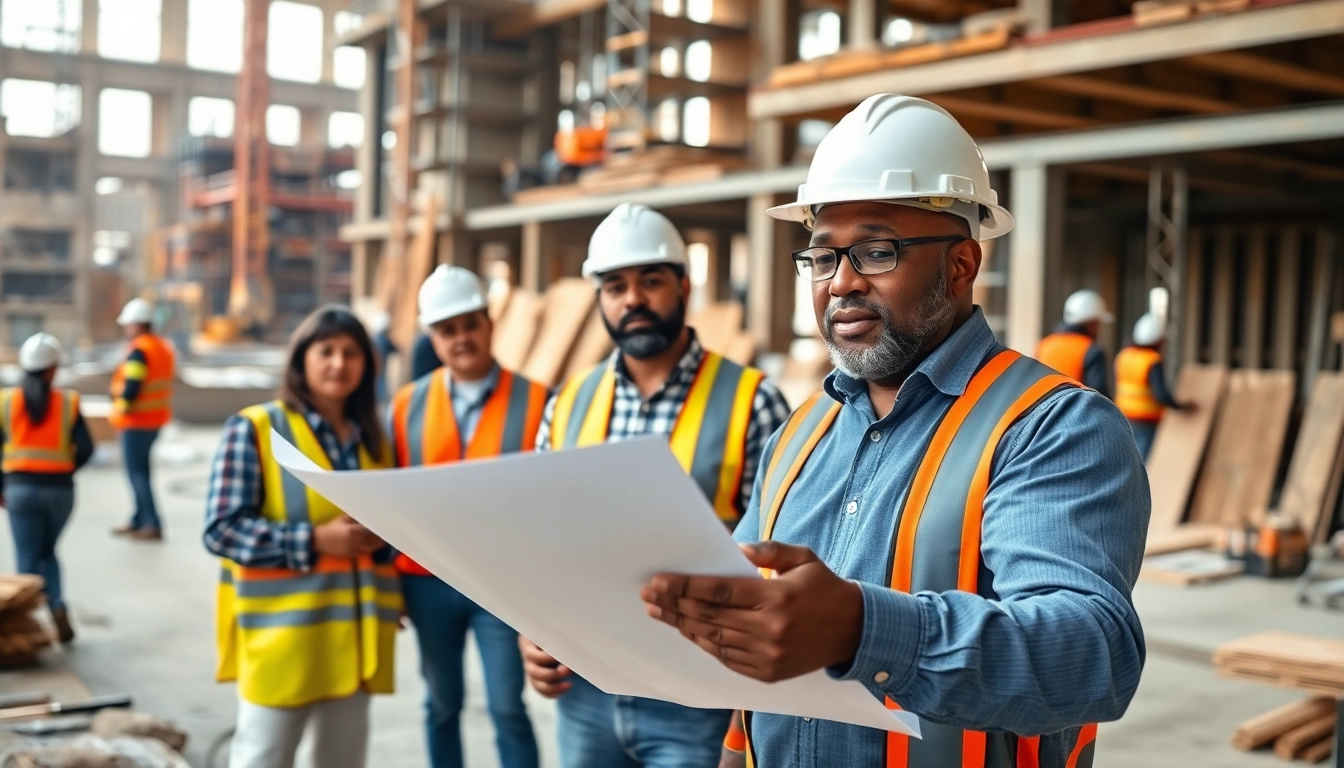

The Role of a New Jersey Commercial General Contractor
In the competitive field of construction, a New Jersey Commercial General Contractor serves as a pivotal figure, orchestrating the entire construction process from inception to completion. But what exactly does this role entail? Understanding the responsibilities and skills of general contractors is essential for anyone looking to undertake a commercial construction project. In this article, we will delve deep into their multifaceted role and how they can significantly enhance project outcomes.
Understanding Contractor Responsibilities
A New Jersey Commercial General Contractor is responsible for managing all aspects of a construction project. They act as the main point of contact, coordinating between various parties involved, including clients, subcontractors, suppliers, and regulatory bodies. Their core responsibilities typically include:
- Project Management: Overseeing the planning, execution, and completion of construction projects.
- Budget Management: Ensuring that projects stay within financial constraints through careful budgeting and cost tracking.
- Scheduling: Developing timelines for various project phases and ensuring that deadlines are met.
- Quality Control: Enforcing high standards of workmanship and material quality throughout the project.
- Regulatory Compliance: Navigating local building codes, zoning laws, and safety regulations to avoid legal complications.
Each of these responsibilities requires a unique set of abilities and organizational skills that contribute to the success of commercial endeavors.
Key Skills of Successful General Contractors
The competencies of a successful general contractor go beyond mere construction knowledge. Essential skills include:
- Communication: A clear and effective communicator, adept at engaging with different stakeholders.
- Problem-Solving: Ability to swiftly address issues that arise, ensuring minimal disruption to project timelines.
- Leadership: Managing teams of subcontractors, ensuring everyone works cohesively towards shared project goals.
- Technical Knowledge: An understanding of engineering principles, building materials, and structural specifications.
- Negotiation: Effective negotiation skills for securing contracts, dealing with suppliers, and acquiring resources at the best rates.
These skills allow general contractors to create a seamless construction experience that meets client expectations and delivers high-quality results.
How General Contractors Enhance Project Efficiency
Efficiency is key in construction, and a general contractor’s role is crucial in streamlining processes. They enhance project efficiency by:
- Coordinating Communication: Ensuring all parties are informed and aligned at every stage of the project.
- Optimizing Resource Allocation: Smartly managing labor and materials to reduce waste and maintain budgetary control.
- Implementing Technologies: Utilizing construction management software for tracking progress, timelines, and budgets in real-time.
- Maintaining Safety Protocols: Enforcing safety regulations to prevent accidents that can cause project delays.
Informed decision-making and proactive management practices significantly enhance the efficiency of construction projects, leading to better outcomes.
Finding Top New Jersey Commercial General Contractors
Now that we understand the role and importance of a New Jersey Commercial General Contractor, the next step is finding the right professional for your project. This section will guide you on how to research and evaluate potential contractors effectively.
Researching Local Options
Finding the right contractor begins with thorough research. Start by:
- Online Searches: Use online directories or construction trade websites to generate a list of local contractors in New Jersey.
- Word of Mouth: Ask friends, family, or colleagues for personal recommendations based on their experiences.
- Professional Associations: Check memberships in organizations such as the Associated General Contractors of America (AGC) to find reputable contractors.
Evaluating Portfolios and References
Once you’ve compiled a list of candidates, the next step is to evaluate their portfolios and references. This can include:
- Reviewing Past Projects: Analyze the variety and scale of projects they have handled to ensure they align with your needs.
- Checking References: Contact past clients to discuss their experiences, satisfaction levels, and how the contractor addressed challenges.
- Assessing Longevity: Look for contractors that have a longstanding reputation within the community, indicating stability and reliability.
Important Questions to Ask Prospective Contractors
Before making a decision, consider asking the following questions:
- What is your experience with projects similar to mine?
- Can you provide a detailed estimate with a breakdown of costs?
- How will you handle potential project delays or unexpected issues?
- Who will be the primary contact throughout the project?
- What steps do you take to ensure safety on-site?
Having clear, open conversations will help solidify your choice of contractor.
Contractor Selection: What to Look For
Choosing a contractor requires careful consideration of various factors. This section provides insights into what attributes to consider to guide your selection process.
Licenses and Qualifications
Ensure that the contractor holds the necessary licenses and qualifications required in New Jersey. This includes:
- State Licensing: Verify that the contractor is properly licensed by the state to undertake commercial projects.
- Certifications: Look for additional certifications that showcase their expertise in specific areas, such as safety protocols or project management.
- Ongoing Education: Contractors who continue to participate in educational opportunities demonstrate a commitment to staying current in the industry.
Insurance and Bonding Requirements
Insurance and bonding are essential aspects to consider. Confirm that the contractor has:
- Liability Insurance: This protects you from financial loss in case of an accident on-site.
- Worker’s Compensation: Ensures that workers are covered in case of injuries while working on your project.
- Performance Bonds: Guarantees that the contractor will complete the project according to the contract’s terms.
Assessing Communication and Collaboration Skills
Communication is key in any construction project. Potential contractors should exhibit:
- Response Times: Gauge how promptly they reply to inquiries, indicating their communication style.
- Transparency: Look for contractors who are open about their processes, pricing, and any challenges that may arise.
- Collaboration: Effective collaboration skills ensure a unified team approach, which is fundamental for project success.
Best Practices for Collaborating with Your Contractor
Once you have selected a contractor, effective collaboration is essential for a successful project. Below are some best practices to consider.
Setting Clear Expectations and Goals
Establishing clear expectations is critical. Start by:
- Defining Objectives: Clearly outline your project goals, scope, and desired outcomes with your contractor from the beginning.
- Documenting Agreements: Keep thorough documentation of timelines, budget limitations, and other expectations to ensure accountability.
- Regular Meetings: Schedule regular check-ins to discuss progress, future tasks, and any adjustments needed.
Maintaining Open Lines of Communication
Effective communication fosters a positive working relationship. Key practices include:
- Open Feedback Loops: Encourage comments and questions throughout the project to address issues promptly.
- Usage of Communication Tools: Utilize project management tools that everyone can access to keep everyone on the same page.
- Visual Updates: Share visual progress (photos, walkthroughs) regularly, so all stakeholders can see advancements in real time.
Tracking Progress and Financials
Monitoring the project’s progress and finances is pivotal. Consider implementing these strategies:
- Setting Milestones: Establish specific milestones and deadlines to track progress against the project plan.
- Budget Tracking: Use budgeting software to oversee expenses and ensure alignment with the overall budget.
- Documentation: Keep detailed records of all transactions and decisions made during the project lifecycle.
FAQs on Choosing a New Jersey Commercial General Contractor
What services do New Jersey Commercial General Contractors typically offer?
They provide project management, subcontractor coordination, safety oversight, and budget management to ensure successful project completion.
How much should I budget for a general contractor in New Jersey?
Costs vary widely, but you should typically budget around 10-20% of your total project cost for contractor fees, depending on project complexity.
What questions should I ask potential contractors?
Inquire about their relevant experience, project references, licenses, and their approach to managing changes during construction.
How can I ensure my project stays on schedule?
Maintain regular communication with your contractor, set clear milestones, and be proactive in addressing potential issues as they arise.
What if I have disagreements with my contractor?
Address issues promptly in an open discussion, and if necessary, consider a mediator to help resolve conflicts amicably and constructively.