Understanding the Role of a Manhattan Commercial General Contractor
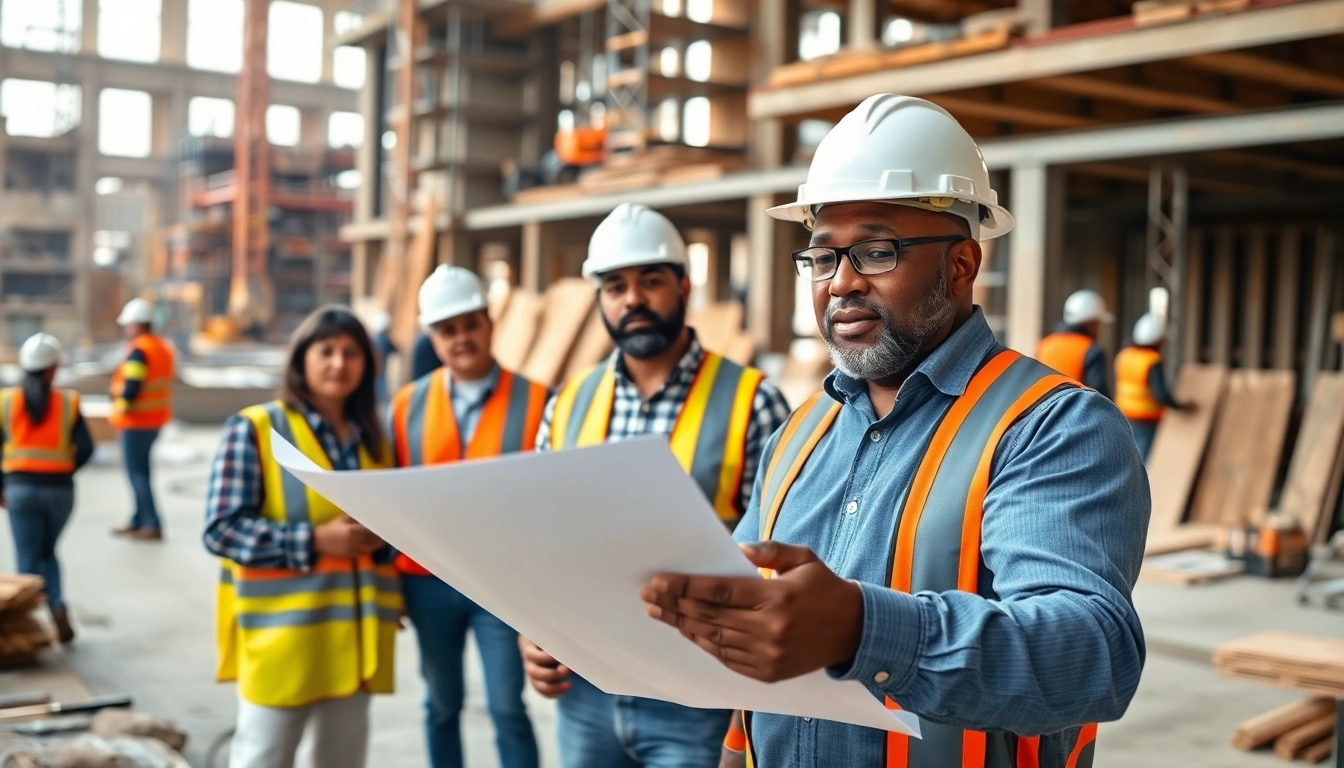
The role of a Manhattan Commercial General Contractor is pivotal in the construction and renovation landscape. These professionals lead a variety of projects, from office spaces to retail establishments, ensuring that every aspect meets client specifications, safety standards, and regulatory requirements. Engaging a Manhattan Commercial General Contractor can influence the success of a project significantly. Here, we delve into the key responsibilities, types of projects, and the vital importance of local expertise.
Key Responsibilities and Tasks
A Manhattan Commercial General Contractor undertakes a diverse range of responsibilities that are crucial for project success. These include:
- Project Management: Overseeing the entire construction process from pre-construction planning to final inspections.
- Budget Management: Creating, maintaining, and adhering to project budgets while providing cost-effective solutions.
- Team Coordination: Managing subcontractors, suppliers, and workers, ensuring everyone understands their roles and timelines.
- Compliance and Safety: Ensuring all work is completed per local regulations and safety codes, mitigating risks on-site.
- Communication: Keeping clients informed of progress, budget updates, and potential challenges.
Types of Projects They Handle
Manhattan Commercial General Contractors handle a variety of projects, including:
- Office Buildings: Constructing modern workspaces that meet the needs of businesses.
- Retail Spaces: Renovating or building shops that enhance consumer experience.
- Hospitality Projects: Designing and building hotels and restaurants that provide exceptional service and comfort.
- Industrial Facilities: Constructing warehouses and manufacturing plants with specific compliance standards.
The Importance of Local Expertise
Local expertise is paramount when choosing a contractor. A Manhattan-based contractor understands the unique challenges and regulations of the area, including zoning laws, building codes, and permits. This local knowledge can lead to smoother project execution and quick resolution of unexpected issues, making them an invaluable asset in the construction process.
Choosing the Best Manhattan Commercial General Contractor
Selecting the right Manhattan Commercial General Contractor can make or break your project. Here are several crucial factors to consider in this decision-making process.
Assessing Experience and Credentials
When evaluating potential contractors, it’s essential to review their experience and credentials. Look for contractors with a proven track record in similar projects, adequate licensure, and relevant certifications. Check their affiliations with professional organizations as well, indicating commitment to industry standards.
Reviewing Past Projects and References
A comprehensive review of past projects can provide insight into a contractor’s capabilities and style. Request to see their portfolio and speak to previous clients. Positive reviews and testimonials can indicate the reliability and quality of their work, while negative feedback may serve as a red flag.
Understanding Contracts and Rates
When selecting a contractor, it’s crucial to understand their contract terms and pricing structure. Estimates should be detailed, transparent, and include provisions for changes during the project. Pay attention to payment schedules, warranty details, and any additional fees that may arise throughout the construction process.
Common Challenges When Working with a Contractor
While working with a commercial contractor can streamline a construction project, various challenges may arise.
Managing Time and Deadlines
Time management is a core aspect of any construction project. Delays can occur due to various factors, including weather, supply chain issues, or labor shortages. Establishing a realistic timeline and maintaining frequent communication can significantly reduce anxiety and confusion about progress.
Handling Budget Constraints
Budget overruns are a common concern in construction. It’s crucial to set a realistic budget and maintain strict oversight. Regular financial reviews and an open line of communication with your contractor can help address challenges early and keep spending in check.
Effective Communication Techniques
Strong communication between all parties involved is vital to success. Utilize project management tools and schedule regular check-ins to address any issues. Clarity in communication can reduce misunderstandings and foster a collaborative atmosphere.
Best Practices for a Successful Partnership
Developing a successful partnership with your Manhattan Commercial General Contractor can be achieved through strategic practices.
Establishing Clear Expectations
From the outset, clearly define the scope, goals, and expectations for your project. Both parties should be aligned on objectives, timelines, and budgetary constraints, ensuring that everyone works towards the same end result.
Regular Progress Meetings
Setting regular progress meetings fosters accountability and helps address issues before they escalate. Frequent check-ins allow both the contractor and the client to stay aligned throughout the project lifecycle, facilitating prompt adjustments as necessary.
Utilizing Technology for Project Management
Implementing project management technology can help track timelines, budgets, and communication in real-time. Tools like Gantt charts, scheduling apps, and collaboration platforms can streamline the process, making it easier for everyone to stay on the same page.
Measuring Success in General Contracting Projects
Measuring the success of a contracting project goes beyond just finishing on time or within budget. A holistic view includes evaluating satisfaction, impact, and efficiency.
Defining Key Performance Indicators
Establish key performance indicators (KPIs) to quantify project success. Metrics may include project timeliness, budget adherence, client satisfaction, and quality of workmanship. These KPIs provide a standard for evaluating performance and guide future improvements.
Gathering Client Feedback
Client feedback is invaluable in assessing both the project outcome and the contractor’s performance. Implement post-project surveys and discussions to gather insights on what went well and what could be improved for future engagements.
Making Improvements for Future Projects
Use the lessons learned from each project to make strategic improvements in processes and practices. Embrace a culture of continuous improvement to ensure that every project builds upon the successes and lessons of the last.
Frequently Asked Questions
What is the role of a commercial general contractor?
A commercial general contractor oversees the construction process, managing budgets, timelines, subcontractors, and compliance to ensure projects meet specifications.
How do I choose the right contractor for my project?
Assess experience, check references, review portfolios, and understand contract terms. Clear communication about expectations is also vital.
What should I include in my construction budget?
Your construction budget should cover labor, materials, permits, overhead, and contingency funds for unexpected expenses that may arise during the project.
How can I ensure timely project completion?
Establish clear timelines, set project milestones, and maintain regular communication with your contractor to address any potential delays proactively.
What feedback should I provide after project completion?
Provide feedback that covers quality of work, adherence to budget and timelines, communication, and overall satisfaction with the contractor’s performance.