
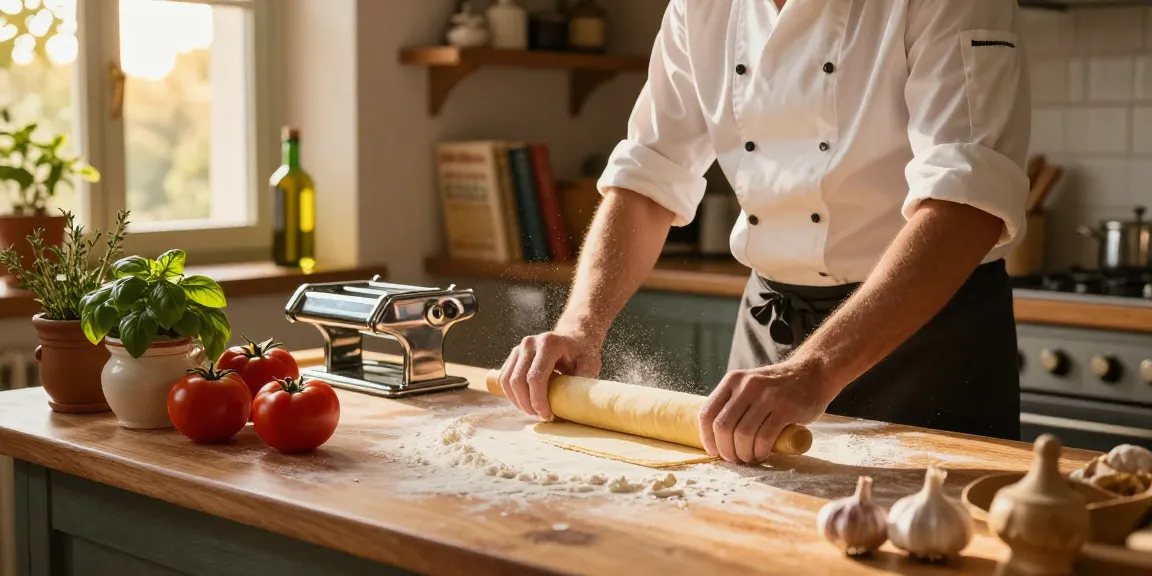
Understanding the Essence of Italian Pasta
Italian pasta is more than just a dish; it is a cultural staple that embodies the rich traditions and culinary heritage of Italy. Renowned for its exceptional quality and diverse varieties, authentic Italian pasta has gained an esteemed reputation worldwide. The unique methods of production, coupled with regional influences, contribute to its distinct flavors and textures, making every bite a representation of Italy’s cooking philosophy. To delve deeper into the world of Italian Pasta, it’s essential to understand what sets it apart from other types of pasta globally.
What Makes Italian Pasta Unique?
Italian pasta stands out due to its meticulous production process and the high-quality ingredients utilized. Traditionally made from durum wheat semolina, Italian pasta offers a robust texture that holds sauces exceptionally well. The pasta shapes, such as spaghetti, fettuccine, and penne, are crafted to complement various sauces and ingredients, enhancing the overall dining experience. Furthermore, the strict adherence to regional methods and recipes has resulted in unique variations, each reflecting the local culture and cuisine.
Exploring Different Types of Pasta
Italy boasts an impressive array of pasta types, each with its own characteristics. Here are some of the most popular:
- Spaghetti: A classic long, thin pasta that is versatile for various sauces.
- Fettuccine: Flat ribbons of pasta, often paired with creamy sauces like Alfredo.
- Penne: Short tubes of pasta that are perfect for baked dishes.
- Lasagna: Wide sheets of pasta used to layer with meat, cheese, and sauce.
- Orecchiette: Ear-shaped pasta that holds sauce well, typical of Southern Italy.
The Role of Regional Ingredients and Traditions
Italy’s diverse geography and climate contribute significantly to its culinary practices. Different regions pride themselves on unique ingredients, which in turn influence the pasta dishes prepared there. For instance, the coastal regions often feature seafood-based sauces, while mountainous areas may lean towards rich, hearty meats. This regional specificity not only enriches the flavors but also tells a story of local agricultural practices and cultural heritage.
Choosing the Right Ingredients for Optimal Flavor
The flavor of Italian pasta relies heavily on the quality of its ingredients. Selecting high-quality pasta and fresh produce is essential for achieving authentic Italian dishes.
Essential Pantry Staples for Italian Pasta
To create authentic Italian pasta dishes, certain staples should always be on hand:
- Durum Wheat Pasta: Opt for brands that use high-quality durum wheat for the best texture.
- Olive Oil: Extra virgin olive oil adds richness and depth to sauces.
- Tomatoes: San Marzano tomatoes are preferred for their sweetness and low acidity.
- Cheeses: Parmesan and Pecorino Romano are crucial for authentic flavors.
- Herbs and Spices: Fresh basil and oregano enhance the aromatic profile of pasta dishes.
How to Select Quality Pasta and Sauces
When shopping for pasta, look for options that indicate “made in Italy” to ensure authenticity. Check the ingredient list; it should ideally contain only semolina and water. For sauces, choose those with minimal preservatives and artificial ingredients. High-quality sauces will use fresh tomatoes, local herbs, and natural flavorings that reflect the traditional preparation methods.
Incorporating Fresh Produce for Authenticity
Adding fresh produce not only enhances flavor but also boosts nutritional value. Ingredients like garlic, onions, and seasonal vegetables can elevate a simple pasta dish into something extraordinary. Additionally, using local produce supports sustainability and fosters a connection with the community.
Mastering Cooking Techniques for Perfect Pasta
Cooking pasta may seem simple, but mastering the techniques is vital to achieving the perfect outcome.
Step-by-Step Guide to Cooking Pasta Al Dente
Cooking pasta al dente, meaning “to the tooth,” is critical for authentic Italian dishes. Here are the steps:
- Bring a large pot of salted water to a rolling boil.
- Add the pasta and stir occasionally to prevent sticking.
- Check the pasta package for cooking time, usually between 8 to 12 minutes.
- Taste a piece a minute or two before the suggested cooking time is up.
- Drain the pasta but reserve a cup of the cooking water.
The Importance of Pasta Water in Sauces
The starchy pasta water is a hidden gem in Italian cooking. Mixing reserved pasta water into sauces helps them adhere to the pasta, creating a silkier texture. This technique is particularly effective with oil-based or cream sauces, enhancing both flavor and consistency.
Pairing Pasta with Traditional Italian Sauces
Different pasta shapes pair best with specific sauces. Here are some classic combinations:
- Spaghetti: Best with tomato-based sauces like marinara or oil-based sauces like aglio e olio.
- Penne: Works well with hearty meat sauces or baked dishes.
- Fettuccine: Pairs excellently with rich cream sauces like Alfredo.
- Orecchiette: Commonly served with broccoli rabe and sausage.
Creating Iconic Italian Pasta Dishes
Italian cuisine is celebrated for its iconic pasta dishes, many of which have made their way into the hearts and kitchens of food lovers worldwide.
Classic Recipes: From Carbonara to Pesto
Some classic Italian pasta dishes include:
- Spaghetti Carbonara: A creamy dish made with eggs, cheese, pancetta, and pepper.
- Pesto Genovese: Fresh basil pesto mixed with pasta, creating a vibrant flavor.
- Lasagna Classica: Layers of pasta, rich meat sauce, béchamel, and cheese baked to perfection.
- Fettuccine Alfredo: A luscious combination of butter and Parmesan creating a decadent sauce.
Innovative Twists on Traditional Favorites
Modern culinary trends often inspire innovative twists on traditional pasta dishes. Chefs experiment with ingredients such as zucchini noodles, gluten-free options, and unique sauces. These variations allow for healthier and more inclusive eating experiences, catering to diverse dietary preferences.
Customer Favorites: What Italians Love to Eat
In Italy, what’s on the plate varies by region, but the love for pasta is universal. Here are some popular dishes among locals:
- Spaghetti Aglio e Olio: A simple yet flavorful dish made with garlic, olive oil, and chili flakes.
- Ragù alla Bolognese: A hearty meat sauce served with tagliatelle, often enjoyed with grated Parmesan.
- Tortellini in Brodo: Tortellini served in a savory broth, especially popular in winter months.
Future Trends in Italian Pasta for 2026
The culinary landscape is constantly evolving, and Italian pasta is no exception. As we look ahead to 2026, several trends are emerging that reflect changing consumer preferences and global influences.
Healthier Options: Gluten-Free and Alternative Flours
With the rise in gluten-free diets, many manufacturers are innovating by creating pasta from alternative flours such as chickpea, lentil, and quinoa. These options not only cater to those with gluten sensitivities but also offer exciting new flavors and textures.
Sustainable Sourcing and Local Ingredients
Consumers are becoming increasingly aware of the importance of sustainability, prompting pasta producers to source ingredients locally when possible. This movement supports regional farmers and reduces the carbon footprint associated with transportation, bringing fresher ingredients to kitchens worldwide.
Embracing Plant-Based Pasta Dishes
As plant-based diets gain popularity, pasta dishes featuring vegetables, legumes, and plant-based proteins are on the rise. Innovative recipes incorporating these elements allow for delicious, hearty dishes that cater to health-conscious individuals.
How to Host a Pasta Night: FAQs
Can I make pasta ahead of time?
Yes! Fresh pasta can be made ahead and stored in the refrigerator for a short time or frozen for later use. Just remember to toss it in a little flour to prevent sticking.
What are the best sauces for vegetarian pasta dishes?
Vegetarian pasta pairs well with a variety of sauces, such as marinara, pesto, and primavera. Utilizing seasonal vegetables can create vibrant, flavorful dishes.
How do I store leftover pasta?
Leftover pasta should be stored in an airtight container in the refrigerator for up to three days. For longer storage, consider freezing it, though note that the texture may change once thawed.