Understanding Modern Lighting
What is Modern Lighting?
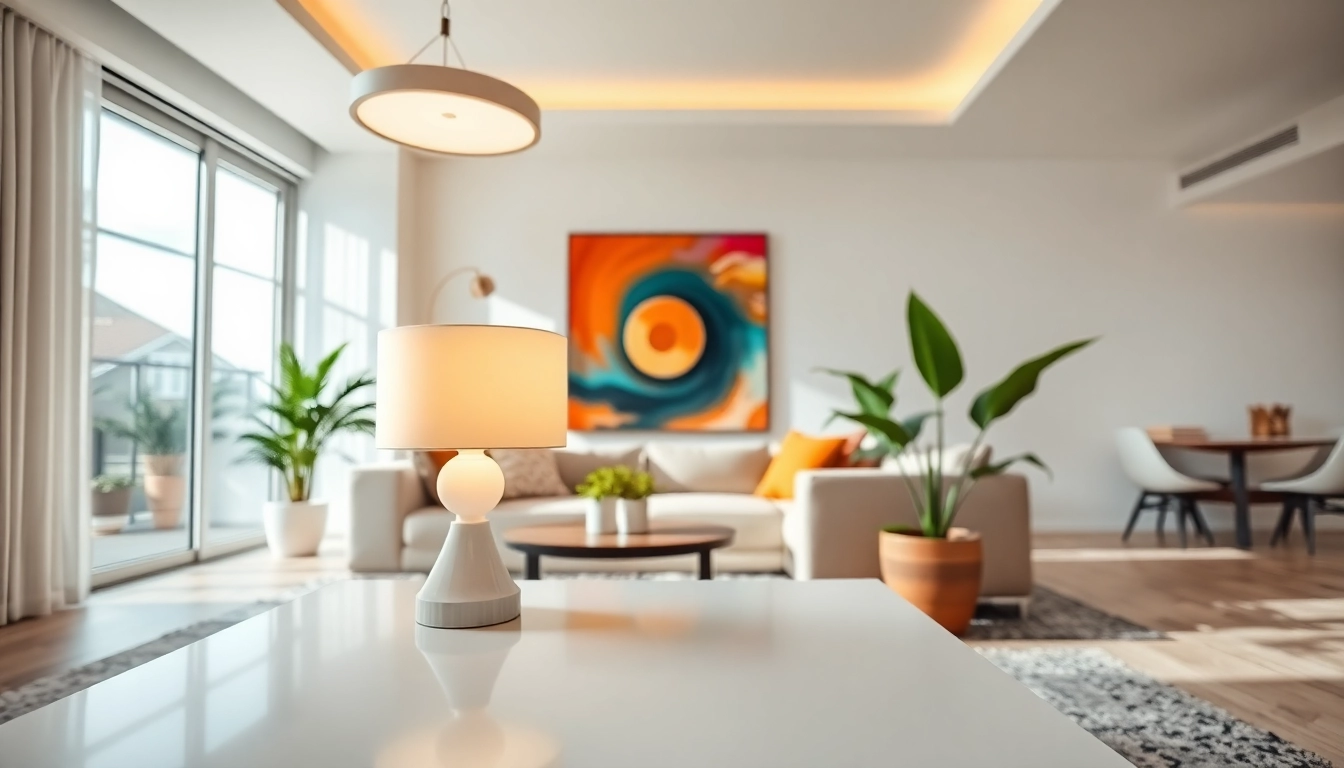
Modern lighting refers to contemporary styles and technologies that not only illuminate spaces but also enhance aesthetics and functionality. Characterized by clean lines, innovative materials, and minimalist designs, modern lighting fixtures serve both practical lighting needs and artistic expressions. Today, styles such as industrial, Scandinavian, and mid-century modern have become prominent in homes and office spaces. The essence of modern lighting lies in its ability to merge form with function, making it a critical component of interior design.
The Evolution of Lighting Design
Over the decades, lighting design has undergone significant transformations, evolving from simple gas lamps to sophisticated electric systems. The introduction of electric lighting in the late 19th century marked a pivotal change, enabling architects and designers to explore new creative avenues. As we moved into the 20th century, movements like Bauhaus emphasized simplicity and industrial materials, paving the way for what we now recognize as modern lighting. This evolution continues today, with advancements in energy efficiency and smart technology influencing design choices.
Importance of Choosing the Right Lighting
The right lighting can dramatically impact the atmosphere of a space. It affects mood, functionality, and even productivity. Selecting suitable modern lighting fixtures can create a welcoming environment, highlight architectural features, and ensure a harmonious balance between light and shadow. Additionally, modern lighting solutions often incorporate energy-efficient technologies, making them an eco-friendly choice that reduces electricity costs. Thus, investing in the right lighting is crucial for any space.
How to Choose Modern Lighting Fixtures
Factors to Consider When Shopping ModernLighting
When shopping for modern lighting, several factors come into play. First, consider the purpose of the light — is it for general illumination, task lighting, or accent lighting? Next, evaluate the space where the fixture will be installed: size, ceiling height, and existing décor all influence the decision. Additionally, energy efficiency should be considered, with LED options often being the most economical in the long run. Lastly, think about the style of the fixture, ensuring it complements your interior design theme. For access to a wide array of stylish options, Shop ModernLighting for unique pieces that enhance your space.
Styles and Trends in Modern Lighting
The world of modern lighting is continually evolving, with new styles emerging based on design trends. Key contemporary styles include:
- Industrial: Characterized by metal finishes and raw materials, this style often features exposed bulbs.
- Scandinavian: Emphasizing functionality and minimalism, Scandinavian lighting often incorporates natural materials and soft hues.
- Mid-Century Modern: Known for its retro appeal, expect unique shapes and vibrant colors.
- Minimalist: Stripped down to essential forms, minimalist lighting focuses on simplicity and elegance.
Size and Scale: Finding the Perfect Fit
Choosing the right size lighting fixture is essential for both aesthetics and function. A fixture that is too large can overwhelm a small room, whereas one that is too small can get lost in a larger space. A general guideline is to add the dimensions of the room (in feet) and convert that to inches for the chandelier or ceiling fixture diameter. Moreover, consider the height of the ceiling when selecting pendants or chandeliers to maintain proper proportions and ensure adequate headroom.
Enhancing Room Ambiance with ModernLighting
Creating Different Moods with Lighting
The ability to manipulate light to create different moods is one of the most beautiful aspects of modern lighting. Cozy, warm lights can promote relaxation in living areas, while brighter, cooler lights can enhance focus and energy in workspaces. Dimmer switches provide versatility, allowing users to adjust the intensity of light according to the time of day or activity. For intimate settings, consider softer light colors to cultivate lounge vibes, while task areas benefit from brighter, more concentrated lighting.
Layering Light for Depth and Warmth
Layering different types of lighting—ambient, task, and accent—is crucial to achieving a well-lit, inviting atmosphere. Ambient lighting provides overall illumination, task lighting focuses on specific activity areas, and accent lighting emphasizes architectural or decorative elements. For example, in a dining room, a pendant light can serve as the ambient fixture, while wall sconces might offer accent lighting, and a candle on the table can define the task area. This layering creates depth, dimensionality, and a more intriguing space.
Using Color Temperature to Set the Tone
Color temperature refers to the warmth or coolness of a light source, measured in Kelvin (K). Warm white (2700K-3000K) creates a cozy, inviting atmosphere, perfect for living and dining areas. Cool white (4000K-5000K) offers a more energized environment, suitable for kitchens and workspaces. For a balanced approach, consider incorporating adjustable LED fixtures that allow for changing color temperatures based on need. This adaptability can significantly enhance the ambiance of any room.
Installation Tips for Modern Lighting
Hiring Professionals: When to Call an Expert
While some lighting installations are suitable for DIY enthusiasts, certain situations demand professional expertise. Complex fixtures, wiring changes, or high-ceiling installations often require an electrician’s skills to avoid safety hazards and ensure compliance with local codes. Additionally, coordination for multi-fixture installations, particularly in open-concept spaces, benefits from a professional’s eye for design and functionality.
DIY Installation: Tools and Safety Tips
If you opt for a DIY approach, ensure you have the right tools — including a screwdriver, wire stripper, and voltage tester. Always turn off the power at the circuit breaker before beginning installation to prevent electric shock. Familiarize yourself with the manufacturer’s instructions for proper assembly and wiring techniques, and if necessary, consult online tutorials or guides. Safety should always be your utmost priority during installation.
Common Mistakes to Avoid During Installation
Some common installation mistakes can lead to aesthetic and functional issues. Avoid hanging fixtures too high or too low; pendants should generally be 30-36 inches above the table. Furthermore, neglecting to consider light placement can create shadows or harsh glare. Ensure your fixtures are placed strategically to disperse light effectively throughout the room. Lastly, always check that the installed fixture is secure and aligned properly.
FAQs About ModernLighting
What are the best styles for modern lighting?
Popular styles for modern lighting include industrial, Scandinavian, mid-century modern, and minimalist. Each style features distinct designs and materials suitable for various interior themes.
How can I effectively layer different lighting types?
To layer lighting effectively, combine ambient (overhead), task (focused), and accent (decorative) lighting. This approach creates a dynamic and inviting atmosphere.
How important is color temperature in lighting?
Color temperature significantly influences the mood of a space; warm tones create comfort while cooler tones energize. Selecting the right temperature helps achieve desired ambiance.
What maintenance do modern lighting fixtures require?
Modern lighting often requires minimal maintenance; regular dusting and occasional bulb replacements are typically sufficient. Ensure to follow the manufacturer’s guidelines for upkeep.
Are LED lights a good option for modern lighting?
Yes, LED lights are an excellent choice for modern lighting due to their energy efficiency, long lifespan, and versatility. They are available in various styles and color temperatures.